


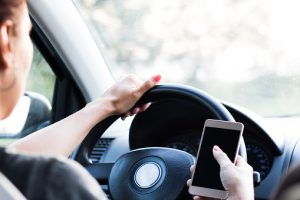
 Mobile technologies are more prevalent than ever. Whether it's a smartphone or an infotainment system, that small screen vies with the road for a driver's attention. Touchscreens have drivers taking their eyes off the road to perform tasks, and these few seconds can be all it takes to cause an accident.
Other drivers have taken notice, with 88 percent of drivers believing that distracted driving is on the rise. This is according to the annual Traffic Safety Culture Index, which is compiled from survey results collected by AAA Foundation for Traffic Safety. By comparison, the same survey showed that 68 percent of motorists believe aggressive driving is on the rise and 55 percent believe the same is true of drugged driving.
They also found that 58 percent of drivers believe talking on the phone is a significant danger, while 78 percent believe texting to be. The majority of drivers have recognized the dangers posed by these distractions, but that hasn't stopped some of those same people from engaging in distracting behavior.
Statistics show distracted driving is dangerously common
Nearly half of drivers admitted to talking on the phone while driving, and almost 35 percent admit they have sent texts or emails. This level of distraction among drivers, especially those aware of the dangers, is concerning. Drivers who are talking on the phone are four times more likely to crash than those who are not. Additionally, those who text are eight times more likely to crash than those who keep their hands on the wheel and eyes on the road.
Distracted driving happens at all times of the day, but data from Zendrive found that the practice peaks around 4 p.m. Almost 75 percent of drivers check their phones in rush hour traffic, possibly attempting to finish last-minute work during their commute. Those with Apple iPhones are likely to check their phones more often and for a longer duration than Android device owners. Those driving around midnight also stay on their phones longer than they would earlier in the day.
Teen drivers are especially vulnerable to distracted driving, as this data suggests distracted driving is a factor in almost 60 percent of their crashes. That's why we created the Arrive Alive Creative Contest for high school seniors. Now in its 14th year, the contest asks students to come up with a creative message about the dangers teenagers face while driving. First place winners receive a new laptop computer and everyone who enters wins fun prizes from our law firm. A complete set of rules and all past winning entries can be found at: www.arrivealivecreativecontest.com.
While you can do your best to stay attentive while driving, there is no guarantee that others will do the same. In the event that you've been injured by a distracted driver, contact The Law Offices of Joe Bornstein for a free and confidential evaluation and find out how we can help you.