


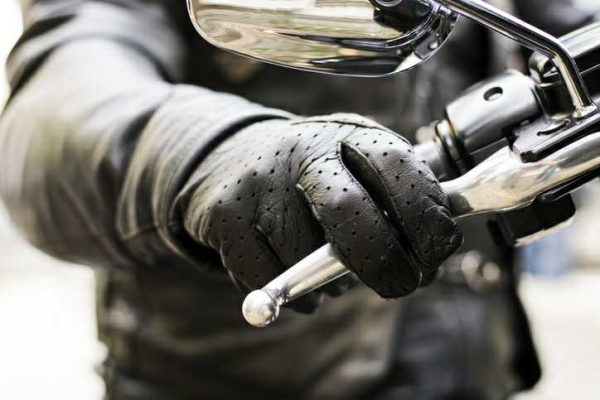
Riding a motorcycle is a fun way to get around. You might hop on your bike to cruise through the backroads of Maine or you might choose to ride as an economical way to get to work.
During the unprecedented COVID-19 pandemic, when many activities have been curtailed, motorcycle enthusiasts are still taking to the road, where the risk of infection remains low if they follow regular social distancing protocols. In addition, motorcycle sales have been increasing this year, according to Cycle World.
Riding a motorcycle has always carried risks, however. Unlike traveling in a car, motorcycle riders and passengers have little protection in crashes. An accident can result in serious injuries and even death.
Crash statistics in Maine by county
Statistics compiled by the state of Maine reveal that motorcycle accidents are not uncommon. Here are the numbers of crashes by county from 2012-2016:
- Androscoggin: 266
- Aroostook: 92
- Cumberland: 655
- Franklin: 78
- Hancock: 130
- Kennebec: 270
- Knox: 67
- Lincoln: 70
- Oxford: 136
- Penobscot: 299
- Piscataquis: 24
- Sagadahoc: 55
- Somerset: 77
- Waldo: 79
- Washington: 42
- York: 563
The state of Maine also compiled motorcycle fatality statistics for each year between 2005-2012. The average rate each year is about 20 deaths. The average number of deaths of riders without helmets per year is about 13.
How to stay safe when riding
While you can’t completely eliminate the risk of getting injured in a crash, you can take steps to reduce the odds of an accident and lower the chance of severe injury or death. Geico Insurance offers the following safety tips to follow if you ride a motorcycle:
- Wear a helmet: Maine gives the option of wearing head protection to some riders, but studies find wearing a helmet is the best way to protect against severe head injuries. The statistics above reveal that most deaths per year involve riders without helmets. You also should wear a face shield or protective eyewear.
- Wear appropriate gear: Durable clothing like leather jackets and pants and boots with nonskid soles can offer protection in a crash
- Follow traffic rules: Resist the temptation to speed. The faster you ride, the more distance you will need to stop.
- Ride defensively: In many accidents, drivers of cars said they never saw the motorcycle. Nearly two-thirds of accidents are caused by drivers who violated the motorcyclist’s right of way. Keep your headlight on at all times. Avoid another vehicle’s blind spot. Be cautious when making turns. You should signal well in advance.
- Get safety training: If you never completed a formal training program, sign up for one today. If you took a motorcycle safety class years ago, it’s time to take a refresher course to sharpen your skills.
- Always ride sober and when alert: Never get on your bike after drinking alcoholic beverages or taking drugs. Don’t ride if you feel overly tired. Lack of sleep can lead to reduced reaction times that are similar to drunk driving impairments.
- Keep you motorcycle healthy: Make sure the tires are in good shape and have adequate air pressure. Check for leaks under the bike. Before riding, test your lights and signals. Check fluids. When you get on the bike, check your horn and mirrors. Test the clutch, throttle and brakes.
What to do if involved in a motorcycle crash
If you’re in a motorcycle accident, get medical attention as soon as possible. Contact the police to get the crash documented. Exchange contact information and insurance details with any other motorists involved in the accident. Using your cell phone, take pictures of the accident scene, property damage to your bike and all vehicles involved, as well as your injuries.
Your next step is to get legal advice. Motorcycle accidents can be life-changing. A serious injury can result in steep medical bills and a loss of income. The insurance companies may downplay the injuries or give you a lowball settlement offer. They may even blame you for the crash when it wasn’t your fault.
That’s why you need an experienced attorney at your side. Contact the The Law Offices of Joe Bornstein for a free consultation. To keep our clients and staff safe, we offer remote consultations through Skype or Zoom. Contact us today to learn more.
For more than 45 years, our legal professionals have helped over 25,000 injured or disabled Mainers get the justice they deserve. Let our team of experts get to work for you today. The Law Offices of Joe Bornstein - Maine lawyers working for Maine people.